
Compare three diesel wrecker configurations for accident response, vehicle transport, and practical fleet procurement in overseas markets.
A recovery fleet works best when each vehicle has a clearly defined role. Accident clearance, roadside breakdown transport, and multi-vehicle recovery may require different deck capacities, winches, transmissions, and emissions configurations. For importers and fleet buyers, comparing operating scenarios is more useful than selecting a truck by capacity alone.
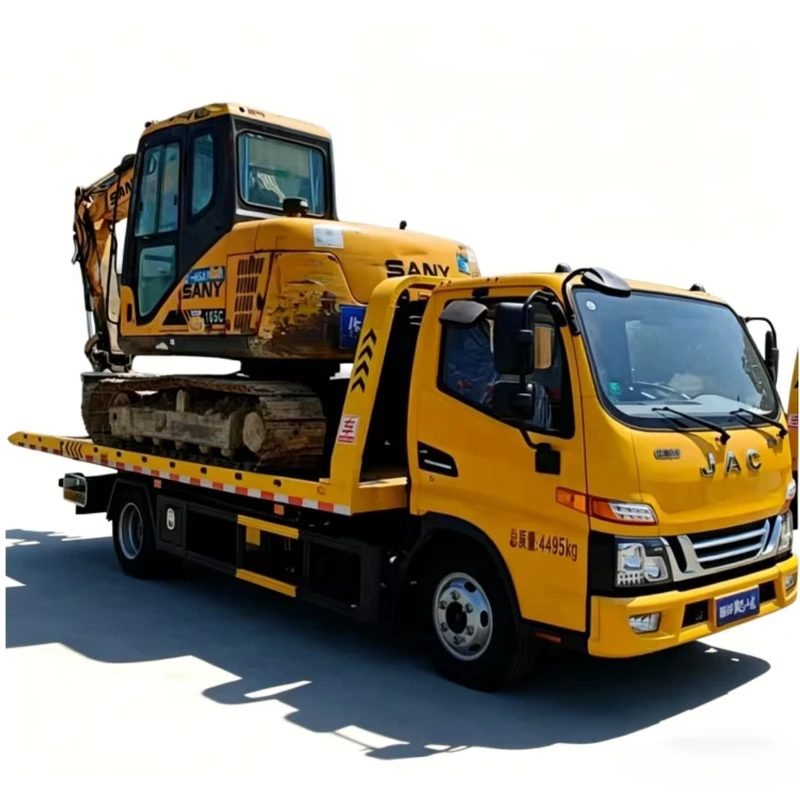
Three Configurations for Different Workflows
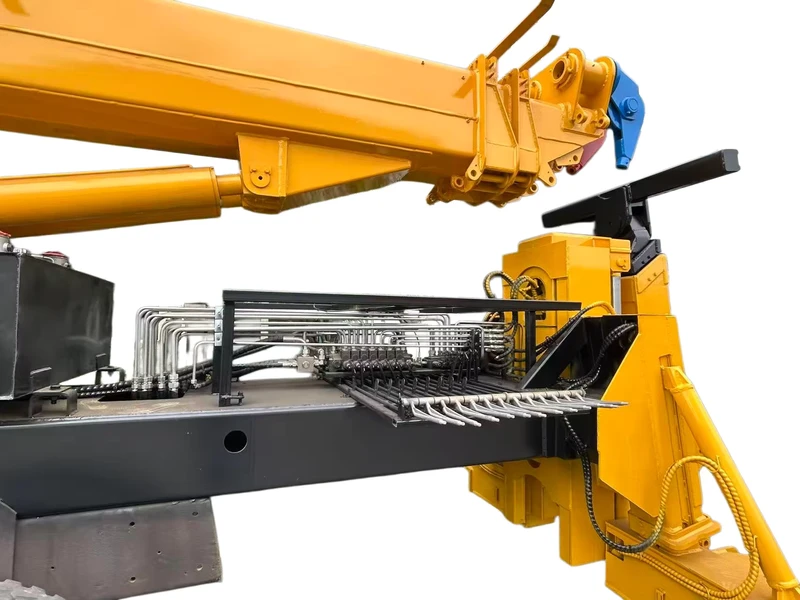
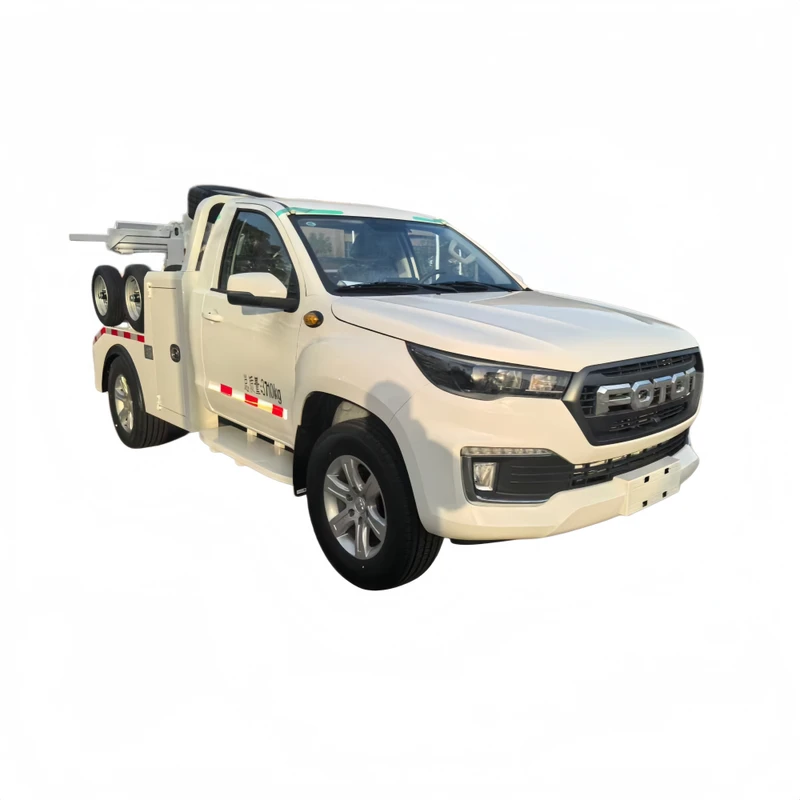
The one-tow-two wrecker is designed for operations that may need to recover two vehicles during one dispatch. This 4×2 diesel model measures 7,700 × 2,350 × 2,250 mm and offers configurable towing, loading, and winch capacities. It is a practical option for accident response teams and busy roadside assistance operators seeking flexible recovery capability.
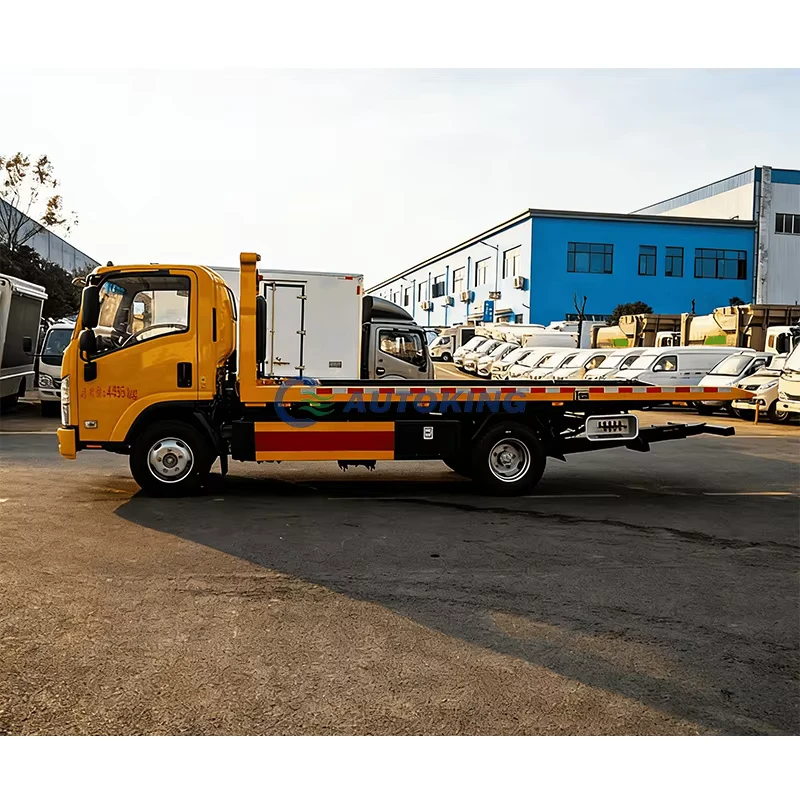
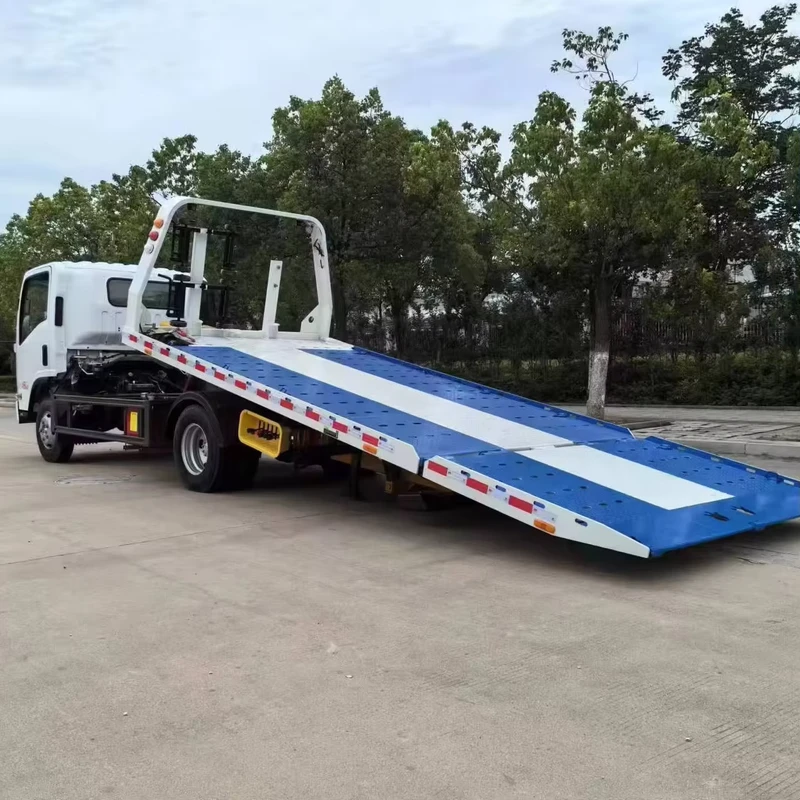
For buyers prioritizing simpler driving and urban vehicle transport, the 4-ton automatic wrecker combines a diesel 4×2 chassis with an automatic transmission. Its 7,890 × 2,400 × 2,550 mm dimensions and Euro 5 specification make it relevant for distributors serving markets where emissions compliance and driver convenience influence purchasing decisions.
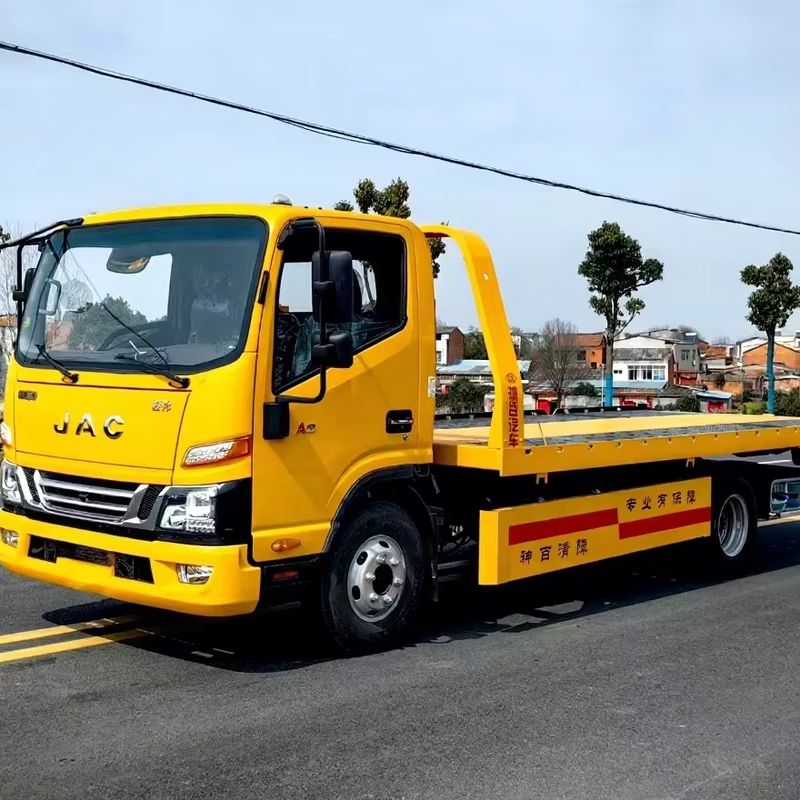
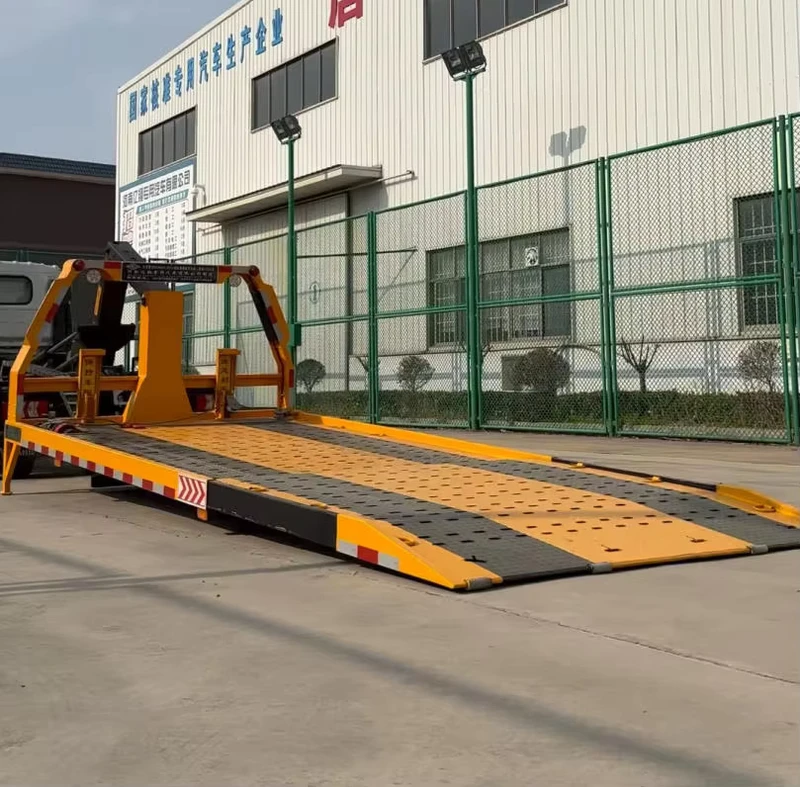
The 3-ton flatbed wrecker provides another adaptable choice for passenger cars and light commercial vehicles. Available specifications include manual transmission, left- or right-hand drive, selectable emissions standards, and 3–6 ton winch and lifting options. These choices help buyers align the truck with local road rules and service requirements.
Details to Confirm Before Ordering
Procurement teams should confirm payload, deck dimensions, winch rating, chassis brand, cab orientation, emissions level, and required documentation before finalizing an order. Local axle-load regulations and the typical vehicles being recovered should also guide configuration. More solutions can be reviewed in the wrecker truck range.
For project pricing or distributor inquiries, share your destination market, expected recovery tasks, preferred capacity, and compliance requirements to receive a suitable configuration proposal.